
Is a sealed attic or conditioned crawl space worth the added cost?
Contrary to what most people believe, sealing an attic or crawl space doesn’t automatically lower heating and cooling costs. Whether it’s worth it depends on the space (attic or crawl space), and on whether you’re after improved energy efficiency, improved moisture control, or both.
- For energy efficiency, sealing pays off mainly when heating and cooling equipment or ductwork is in the space being sealed, and the improvement is much larger when sealing an attic than when sealing a crawl space.
- For moisture control, sealing matters most in crawl spaces, where vented crawl spaces are prone to condensation and mold. Moisture problems also occur in vented attics, though much less often.
Either way, the attic and crawl space construction method must be entered correctly in the Manual J load calculations. If those decisions won’t be final before the HVAC design begins, the design should be based on the method most likely to be used. If the final decision changes, it’s important to have your HVAC designer update the calculations and duct system design, since the change has a significant impact on the final design.
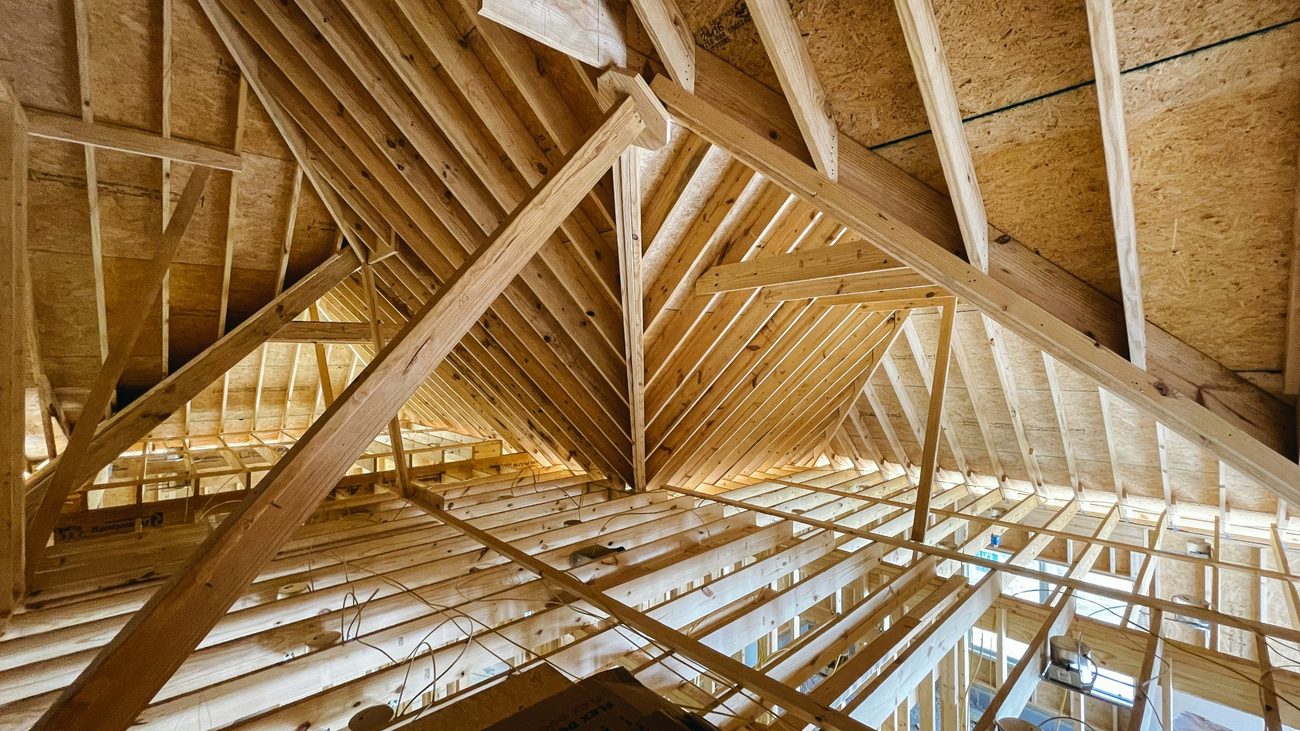
What Is a Sealed Attic or Crawl Space?
Traditionally, attics and crawl spaces have been vented, so outside air could moderate the temperature and humidity (the moisture content of the air) in those spaces. A sealed attic moves the insulation from the attic floor to the roof deck, and the roof, gable and soffit vents traditionally used in vented attics are removed. Similarly, a sealed crawl space moves the insulation from the floor framing above the crawl space out to the foundation walls, and the foundation vents are removed. Either way, the space being sealed, and any ductwork or equipment in it, ends up within your home’s thermal envelope instead of in a space with more extreme temperatures and less ability to control moisture.
Sealed attics and crawl spaces are also referred to as encapsulated or conditioned. Although they’re commonly called conditioned, the Air Conditioning Contractors of America (ACCA) treats them as semi-conditioned spaces, and they aren’t entered like the rest of the home’s conditioned space in the load calculations.
Does Sealing an Attic or Crawl Space Save Energy?
Sealed attics
Where do the savings come from? Heat always flows from hotter to cooler objects, and the larger the temperature difference between the two, the more heat transfers. If the air in a duct is 55 degrees and the duct is in a vented attic that’s 140 degrees, a significant amount of heat transfers from the attic through the duct insulation, and the supply air may be 3, 4 or even 5 degrees warmer by the time it’s discharged into the conditioned space below. That’s cooling you paid for that’s lost before it reaches the room. In a sealed attic, the peak summer temperature may be around 85 degrees, so more of the cold air you paid for reaches your home instead of being lost in the attic.
How much smaller can the system be? When clients let ConsultAir know they’ve decided to switch from the vented attic the original HVAC design accounted for to a sealed attic with the ductwork in it, the design is updated during the revision time included with every ConsultAir design, and the cooling system size required usually, but not always, decreases by about half a ton. Whether or not the system size drops, this kind of change always reduces the heating and cooling capacity needed to properly condition your home, which means better energy efficiency.
Does it help in winter, too? Yes. On clear winter nights, much of the heat in a vented attic radiates out through the roof into the cold night sky. With the insulation at the roof deck, that happens far less.
Is a sealed attic worth the cost? Sealed attics are most commonly insulated with spray foam, although other foam products, such as rigid foam, are sometimes used. Either way, foam insulation costs more than the blown insulation typically applied to the floor of a vented attic, so from a construction cost standpoint alone, a vented attic looks much more appealing. But when you consider the energy savings that continue for the life of the home, along with other possible construction cost reductions, such as smaller equipment and the smaller electrical circuits it needs, the savings over time can be significant.
Sealed crawl spaces
Is a sealed crawl space worth the cost? Temperatures in vented crawl spaces are more moderate than in vented attics, so the energy efficiency gain from sealing a crawl space with ductwork in it is more modest. That said, crawl spaces have other benefits to consider, especially better moisture control.
Does Sealing Help Control Moisture?
Why do vented crawl spaces have moisture problems? Vented crawl spaces are notorious for moisture issues that can lead to sometimes devastating mold growth that requires remediation. Moisture comes in with warm outside air and rises from the open soil below. As the humidity in a crawl space increases, the temperature at which condensation forms (the dew point) is more easily reached, so condensation can form on ductwork and foundation walls. That’s why many new homes are being built with sealed crawl spaces even when no equipment or ductwork is in them.
Can a vented attic have condensation problems? Yes. ConsultAir saw it firsthand in a two-story townhouse building a couple of blocks from the beach. The ducts were adequately air sealed and insulated, but condensation still formed on the surface of the ductwork because of the moist air the prevailing ocean breeze carried into the vented attic. In that case, the best solution was to convert the vented attic to a sealed attic.
Does adding supply air control humidity? It’s common for a small, arbitrary amount of supply air to be introduced into a sealed attic or crawl space. The intended purpose isn’t to maintain a specific temperature in these spaces; it’s to replace the air in them with conditioned air from the house (air changes) by positively pressurizing them, with air drawn in through the return and discharged into the space through a supply duct. That can reduce the chance of humidity problems, but it doesn’t guarantee they won’t occur. Here’s why: supply air can only pressurize the sealed attic or crawl space while the furnace or air handler blower runs, and the blower only runs when the house needs heating or cooling. On a rainy 78-degree day with the thermostat set at 74, the blower runs very little, so the air changes the supply air was meant to create mostly don’t happen. Supply air may help, but the air changes it’s meant to create won’t happen consistently, so it shouldn’t be relied on by itself. These supply ducts also aren’t entered or sized in the Manual D duct calculations, so the airflow is really a best guess. Whether or not you introduce supply air, ConsultAir recommends monitoring the humidity in your sealed attic or crawl space for at least a full year after moving in, so you’ll know whether any additional measures are needed.
A quick note on radon. In many areas, radon is a health concern that shouldn’t be ignored, even when you plan to seal your crawl space. The membranes used to seal crawl spaces do reduce the amount of radon that enters the home, but they don’t completely stop it. Where radon is a concern, have the crawl space built to address it with help from a radon professional.
Can a Sealed Attic Improve Indoor Air Quality?
With a vented attic, any unsealed ceiling penetration, such as a recessed can light, lets air move between the attic and the house. ConsultAir recalls a house near the coast with a dust problem the owners blamed on the ductwork. The prevailing breeze went up the wall, through the vented soffits and into the attic, pressurizing it. Attic air, with its dust, pollen and dander, was being pushed into the house through the many unsealed can lights. A sealed attic gives you much more control over that.
What Are the Common Concerns About Sealing an Attic or Crawl Space?
What if the roof leaks? Not every roof leaks, but when one does, spray foam below the roof deck can make the leak harder to find and repair. So as you consider insulating the roof deck, weigh the chance and cost of a leak repair against the savings from a sealed attic that continue for the life of the home.
Won’t spray foam rot the roof deck? This was a real concern back when sealing attics was a newer method, especially in colder climates. With today’s methods, which have been adjusted for colder climates, roof-deck rot shouldn’t be a concern. The colder the climate, the more closed-cell foam is typically the right choice, since it’s both an air barrier and a vapor barrier.
Is an ignition barrier required? Most, but not all, foam insulation products are combustible enough to require an ignition barrier. When one is required in a sealed attic or crawl space, it’s usually a separate sprayed-on coating. Because it isn’t always verified, and because it adds to construction cost, it’s common for this step to be skipped. Still, if fire damage ever occurred, whether an ignition barrier was applied would likely be near the top of an insurance adjuster’s list.
What should a spray foam quote include? Ask for the insulation thickness to be applied, the specific product to be used, and the actual R-value per inch of that product. The R-value is especially important, since foam insulation contractors commonly quote an effective R-value. Only the actual R-value should be used when calculating heating and cooling loads.
Are Sealed Attics and Crawl Spaces Included in the Load Calculations?
A common misconception is that sealed attics and crawl spaces are true conditioned spaces and should be accounted for in the load calculations the same way as the other conditioned spaces in the home. That’s incorrect. While sealed attics and crawl spaces are within the home’s thermal envelope, ACCA specifically designates them as semi-conditioned spaces and specifies how their heat loads should be calculated.
Manual J calculates the heat transfer through the ceiling and vertical attic kneewalls adjacent to the attic, and through the floor above the crawl space, by estimating the attic or crawl space temperature. That’s how Wrightsoft and every other ACCA-approved software following ACCA’s Manual J, S and D methods works. The distinction matters: if a sealed attic or crawl space is entered the same way as the conditioned spaces in the house, the load calculations will include the added heating and cooling capacity needed to hold these semi-conditioned spaces at the same temperature as the house, which incorrectly inflates the loads.
An example. A room with a 9-foot ceiling over a 4-foot-tall sealed crawl space is entered with a 9-foot ceiling; the height of the crawl space isn’t factored into the load calculations. The same holds for a room with a 9-foot ceiling below a sealed attic: none of the attic’s area, volume or height belongs in the calculations.
A recent audit. ConsultAir recently audited the calculations for a new home where the designer had made exactly this mistake, including the attic in the load calculations and sizing ducts running into it. It’s one of the things to check when you compare HVAC load calculation services.
Do Power Attic Ventilators Help?
Power attic ventilators are often seen as the fix for a hot vented attic. While they do lower the air temperature in the attic, they do it by negatively pressurizing the attic. If the ceiling and attic kneewalls that separate the conditioned space from the attic haven’t been properly air sealed, that negative pressure pulls conditioned air into the attic. That depressurizes the house too, which can affect naturally vented fireplaces and gas appliances that don’t have sealed combustion, such as water heaters, and the conditioned air drawn into the attic can cause condensation on surfaces in the attic. And because conditioned air is constantly being lost, energy bills rise and comfort suffers.
What Should Be Decided Before the HVAC Design Starts?
Have a preliminary answer to each of these:
- Vented or sealed attic, and vented or sealed crawl space
- Where the ductwork and the forced air unit will be located
- The insulation R-value to be used in each space
If one changes later, every ConsultAir design includes a block of revision time to update the design before the duct system is installed.
Planning a sealed attic or conditioned crawl space for a new custom home? Send your plans through the contact form for a free initial consultation.
Residential HVAC Design & Home Building Resources
Rebates, codes, and trusted resources related to residential HVAC design.